

Yes. Each stay is prepared in advance, supervised locally and built with partners who know the terrain well. Clear practical guidance is also shared before departure so you can travel in good conditions.
Before departure
Prepare my stay
Coming to the village with Xwévi means, above all, preparing for a simple, authentic human encounter.
Practical guidance, mindset, seasons, accommodation, food, transport and cultural advice: everything you need to prepare your immersion with peace of mind.
The mindset for coming to the village
Preparingfortheencounter,evenbeforedeparture.
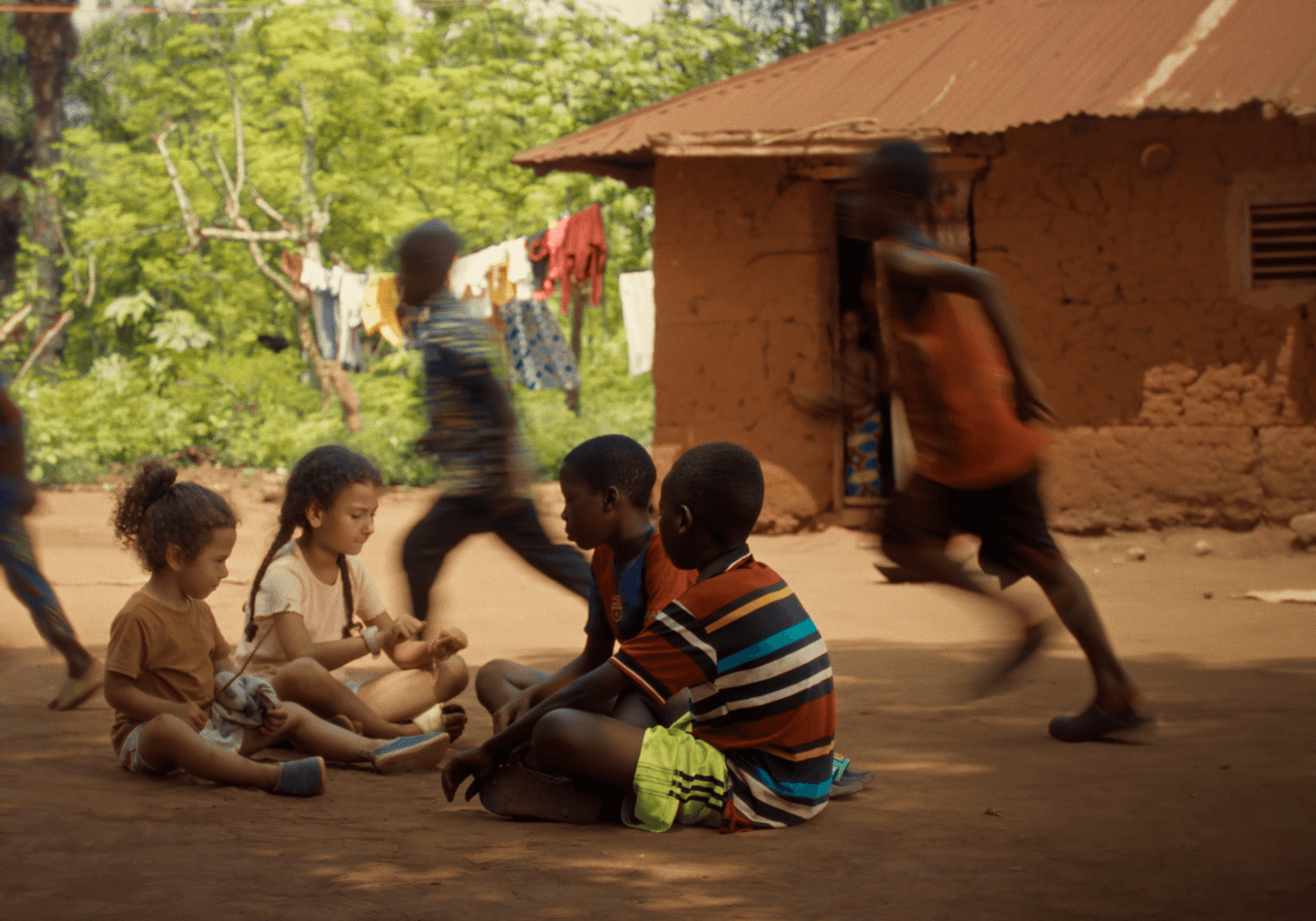
Coming to the village with Xwévi is above all a human encounter. More than a simple trip, it is a chance to discover a territory through the people who live there.
It sometimes means accepting a different rhythm, showing curiosity and opening yourself to other ways of living. By taking time to listen, observe and share, everyone can experience something simple, authentic and deeply enriching.
In the village, the most beautiful moments often come from the most spontaneous exchanges: a conversation, a shared meal, an everyday activity. It is in this simplicity that the full richness of encounter is revealed.
Travelling with Xwévi is not only about discovering a country. It is about entering a village, meeting families, sharing everyday moments and understanding a territory from within. Here, the journey begins with an intention: to live a real encounter.
Coming with curiosity, respect and openness is already the best way to prepare for your stay.
Travel planning
What to arrange before departure
Before you leave, a few simple steps are required. Your passport must remain valid for at least 6 months after your return date. The tourist visa is easy to obtain online via the official Beninese government platform.
The yellow fever vaccine is mandatory. Depending on your situation, your doctor may recommend other vaccines or appropriate treatment. Insurance covering medical expenses and repatriation is strongly recommended.
The currency used in Benin is the CFA franc (XOF). Payments are mostly made in cash, especially outside major cities.
When to come to Benin?
Each season offers a different kind of immersion
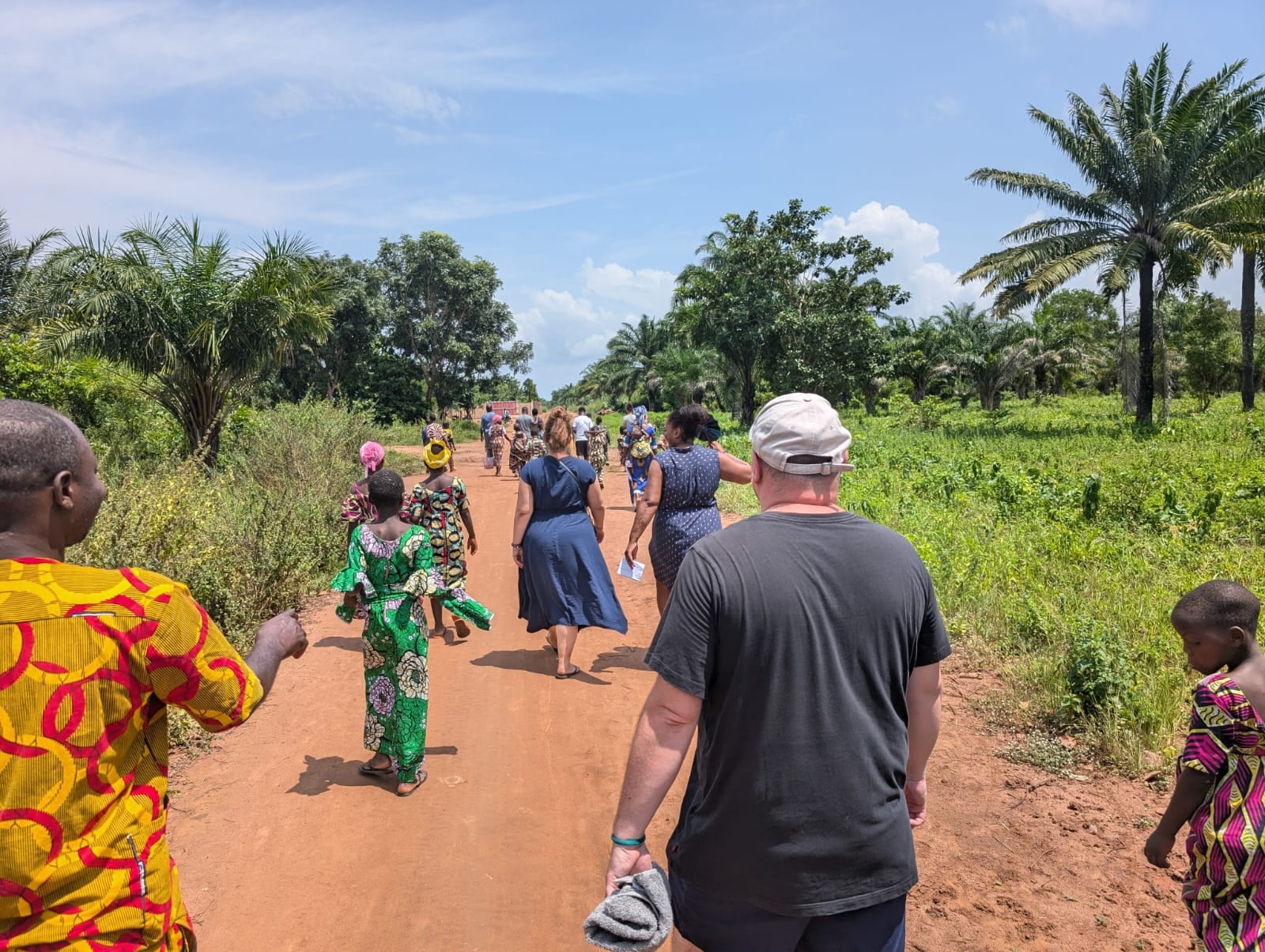
Benin can be discovered all year round. Each season offers a different atmosphere and a particular way of experiencing the territory. Contrary to some common assumptions, there is no single best time to travel. It depends on what you want to experience and observe.
The dry season, from November to March, is ideal for travel and cultural discoveries. Between December and February, the harmattan sometimes blows, a dry wind from the Sahara that can make the air slightly dusty and bring cooler mornings.
The rainy season, from April to October, transforms the landscapes, makes nature intensely green and offers another understanding of village rhythms. At Xwévi, stays are designed to be lived in every season: the journey depends above all on the encounters you will have.
- Dry season: easier travel and many cultural events
- Early rainy season: lush landscapes and nature in transformation
- Farming season: immersion in the fields and village daily life
- End of rainy season: harvests and important collective moments
Getting around
Travel itself is part of the journey
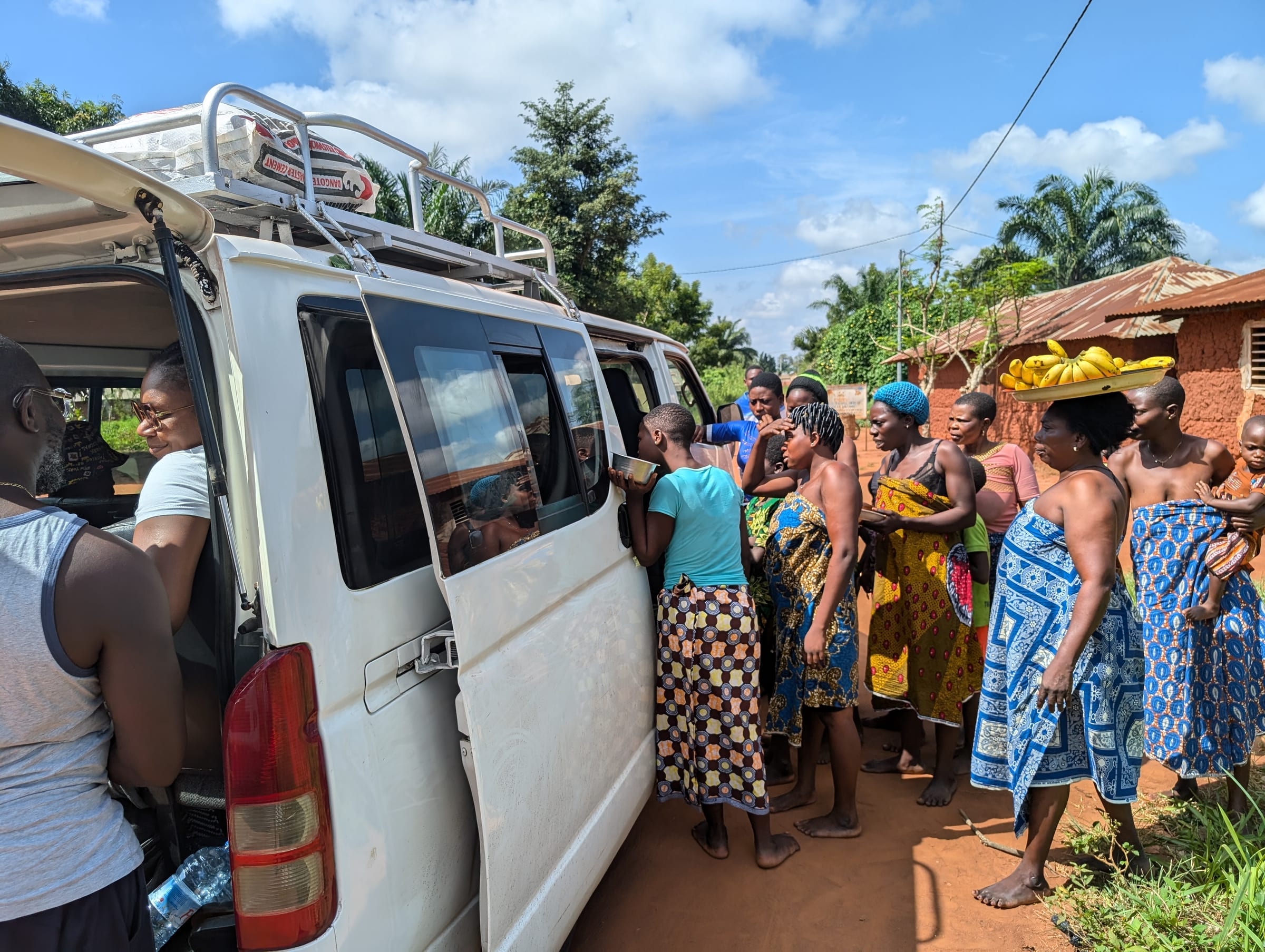
Depending on the chosen format, travel may happen in a vehicle with a driver and local guide, by local transport for certain activities, or on foot for discoveries in and around the village.
Distances can sometimes seem long, but these journeys are part of the experience. They allow you to observe landscapes, markets, villages and everyday life across the country.
Accommodation and food
Hospitality that is simple, thoughtful and deeply local
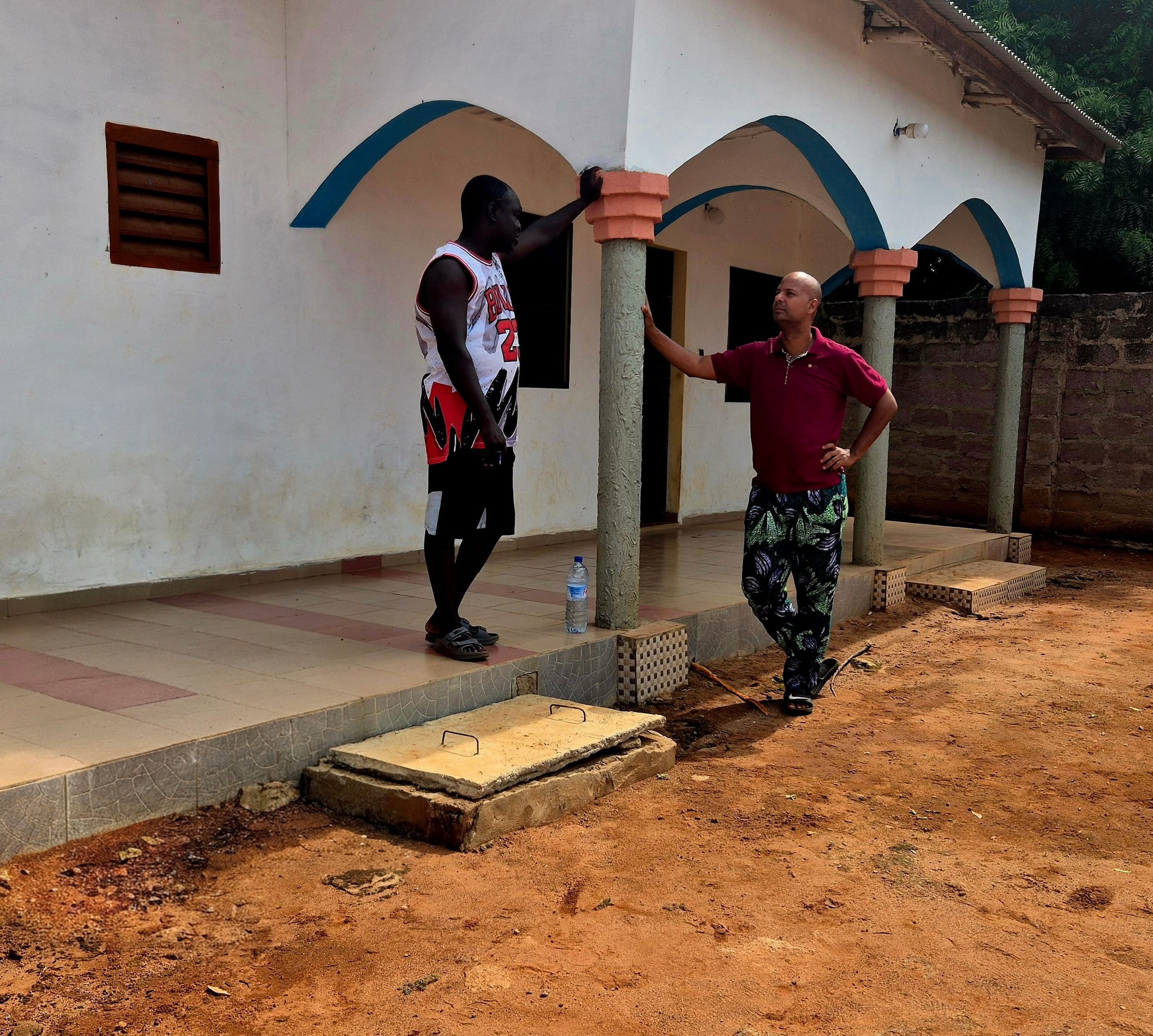
In Xwévi partner villages, accommodation prioritises simplicity and authenticity. Depending on the place, you may stay in village houses prepared for visitors, rooms in local homes, or small local structures. Comfort is simple but carefully maintained.
Food is a central part of the immersion. Meals are prepared with local products and cooked according to village traditions: Beninese sauces, yam, maize, cassava, fish, meat and seasonal tropical fruits.
Some meals may be prepared together with residents, which often becomes a particularly appreciated moment of sharing. If you have allergies or specific dietary requirements, it is important to mention them before your stay.
Village immersions
Accepting another rhythm to fully experience the encounter
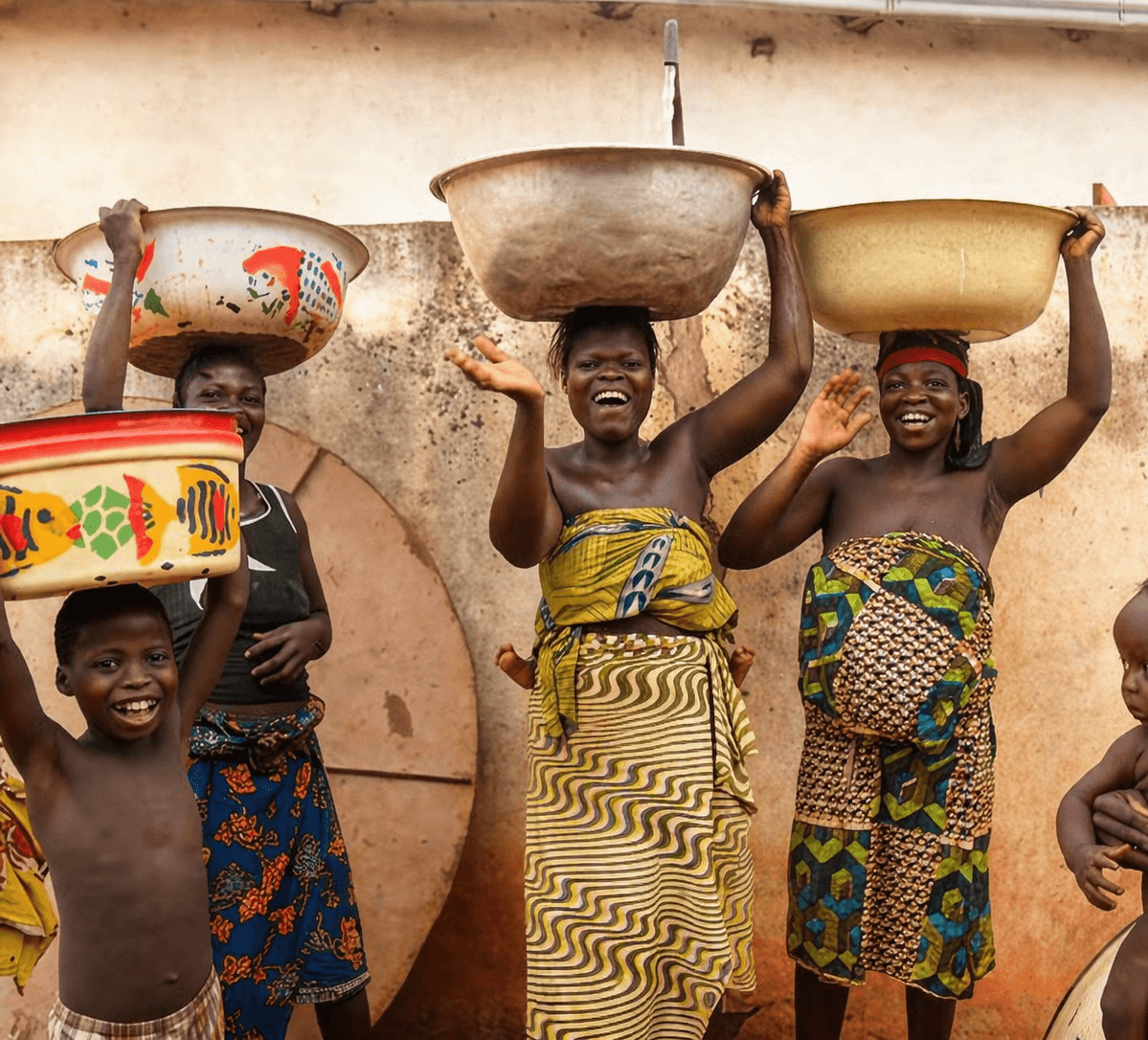
The stays offered by Xwévi take place in the heart of villages where life still follows the rhythm of the seasons, agricultural work and human relationships. Some habits may be different: electricity can be intermittent, water is sometimes drawn manually, days start early and the pace is slower.
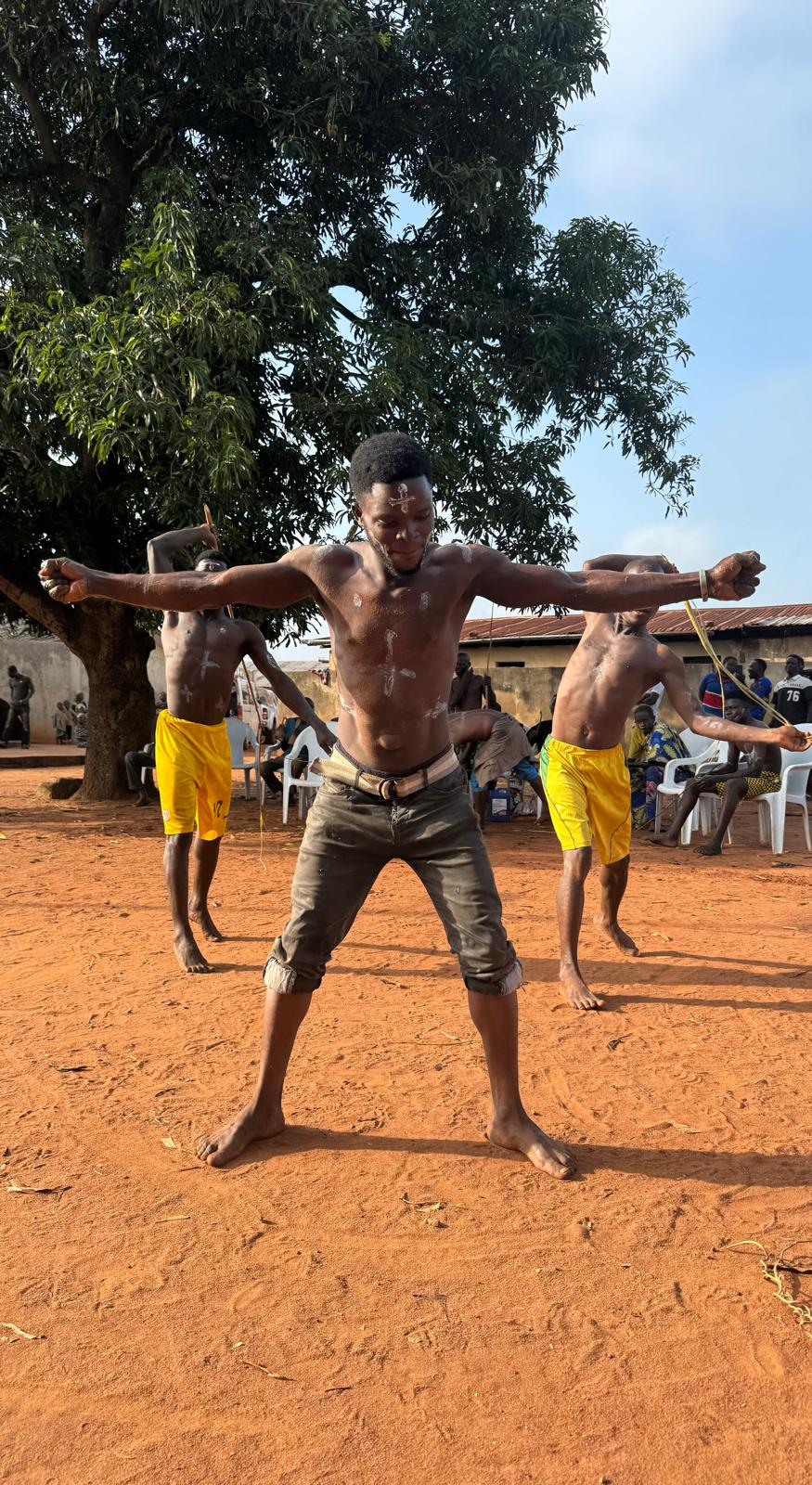
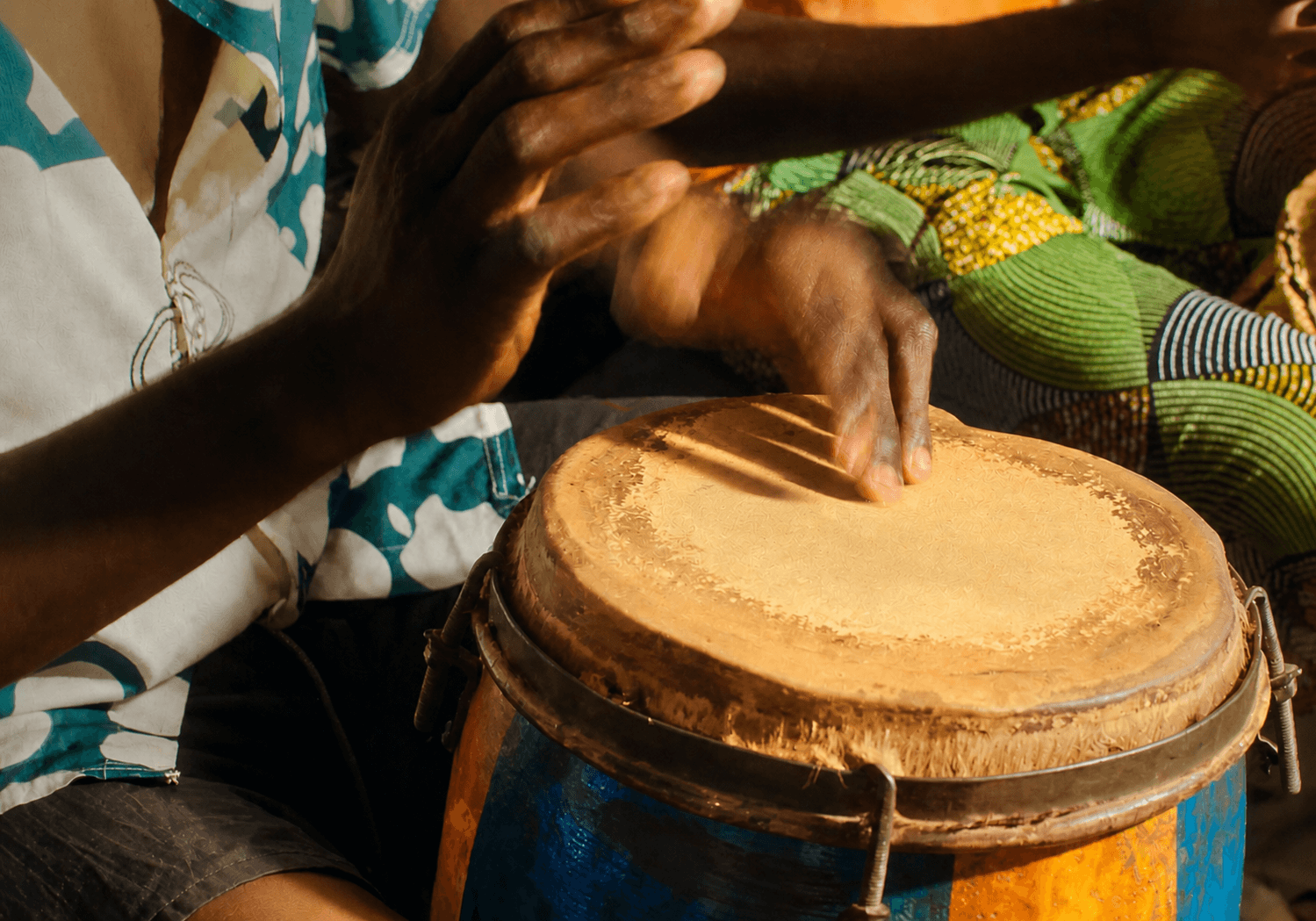
But that is precisely what makes the immersion so rich. You will be welcomed by residents, accompanied by local guides, and invited to take part in village life: cooking, farming, crafts, music, conversations and collective moments.
Practical tips
The right essentials to leave with peace of mind
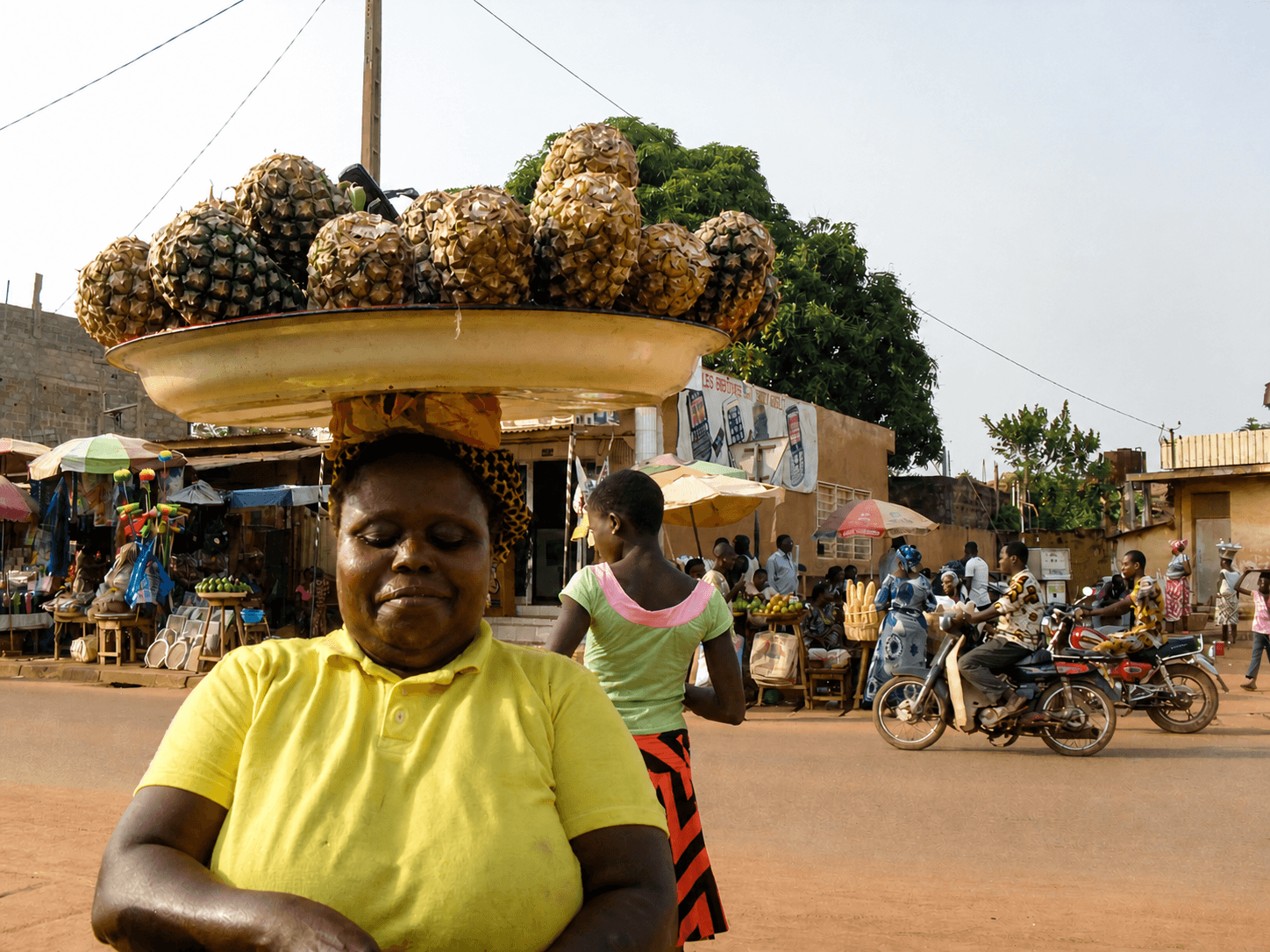
For greater comfort during your stay, we recommend bringing light cotton clothing, a covering outfit for certain activities or visits, closed shoes for walking, sandals, a headlamp, mosquito repellent, sun protection, a water bottle and a small bag for your movements.
Conditions are simple, but more than compensated by the richness of the moments you will live.
Souvenirs and crafts
Buying locally to support know-how
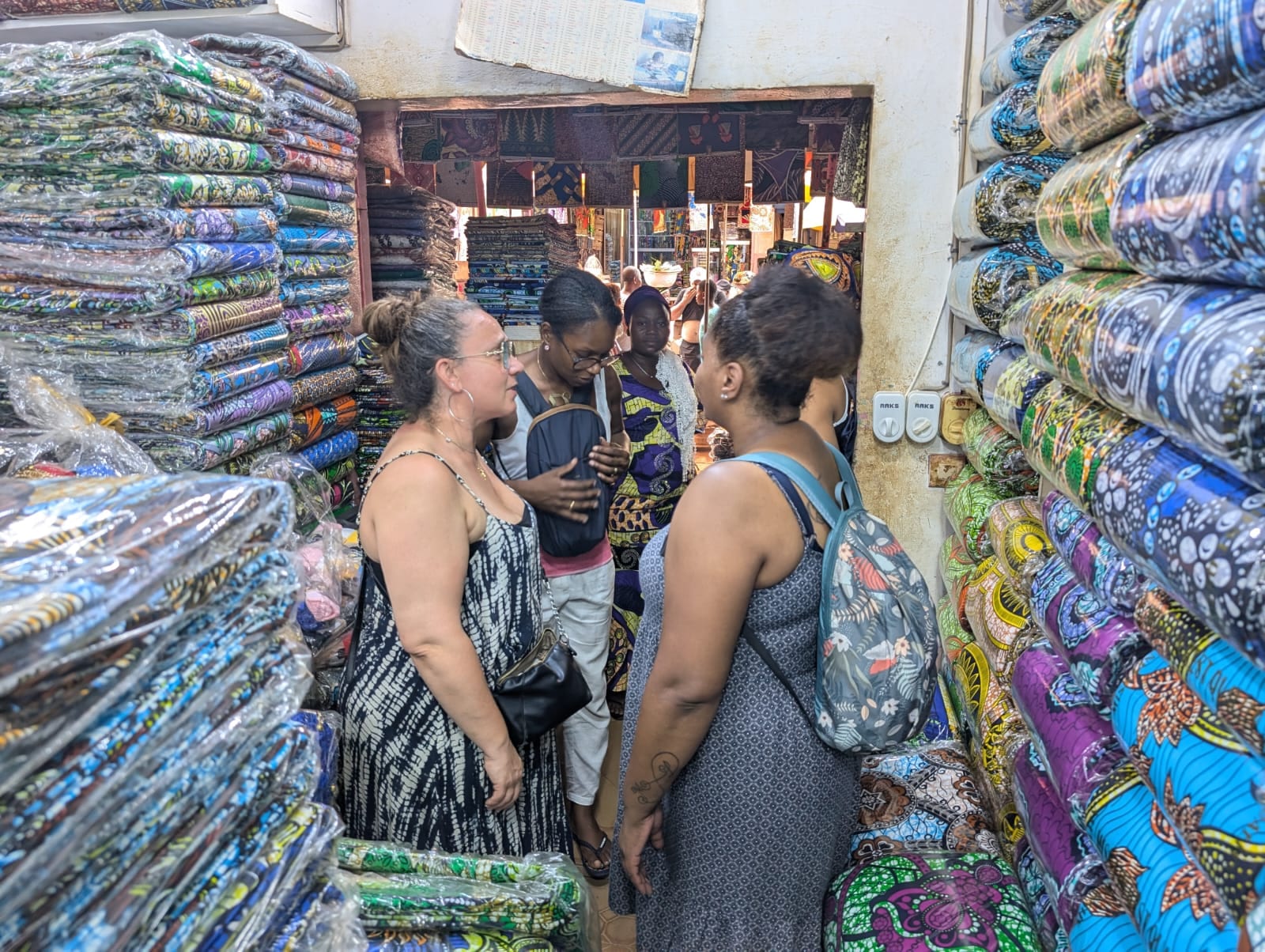
Benin is rich in living craftsmanship deeply rooted in local cultures. You can buy directly from artisans traditional fabrics, wood sculptures, handmade jewellery, pottery, and everyday or decorative objects.
Buying locally means directly supporting know-how and local economies.

Respect and environment
Preserving trust, places and resources
Your presence in the village is based on trust. A few simple gestures help preserve this balance: ask permission before taking photos, respect traditions and sensitive places, wear suitable clothing, limit water waste and reduce plastic use.
The villages you discover are living places where nature, culture and traditions are closely linked. We encourage everyone to preserve natural resources, respect cultural and spiritual places, prioritise short supply chains and adopt responsible behaviour.
Cultural guidance and contacts
Simple landmarks for entering into relationship
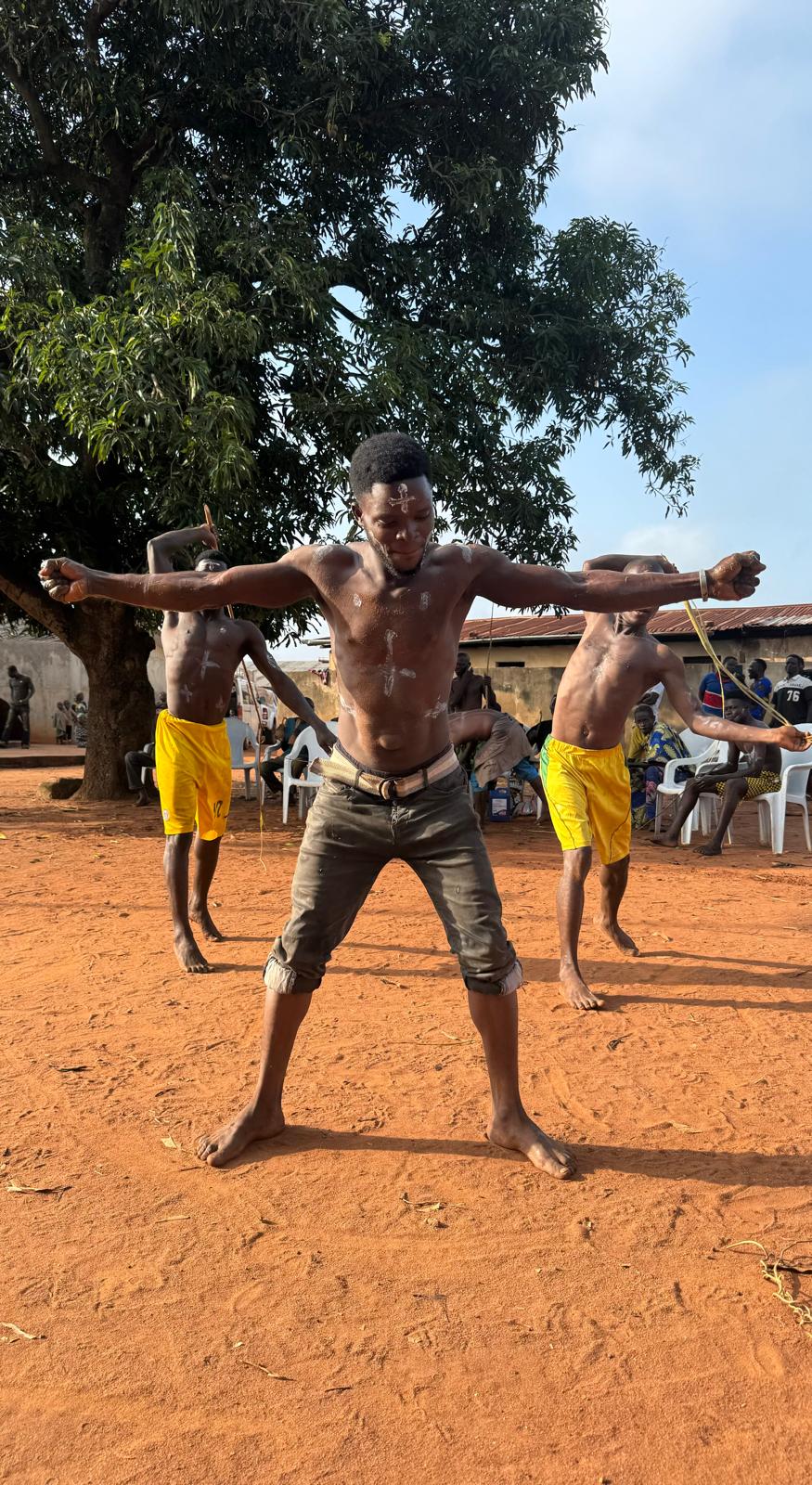
Beninese culture gives great importance to human relationships. A few simple habits make exchanges easier: take time to greet people, show interest in others, accept invitations to share, observe before judging and join in with simplicity. French is the official language, but several local languages are spoken depending on the region.
Before departure, the Xwévi team supports you in your preparation. You will receive detailed information for your stay, as well as the necessary local contacts. Once in Benin, you are guided and supported at every step.
Before you arrive
The village also prepares to welcome you
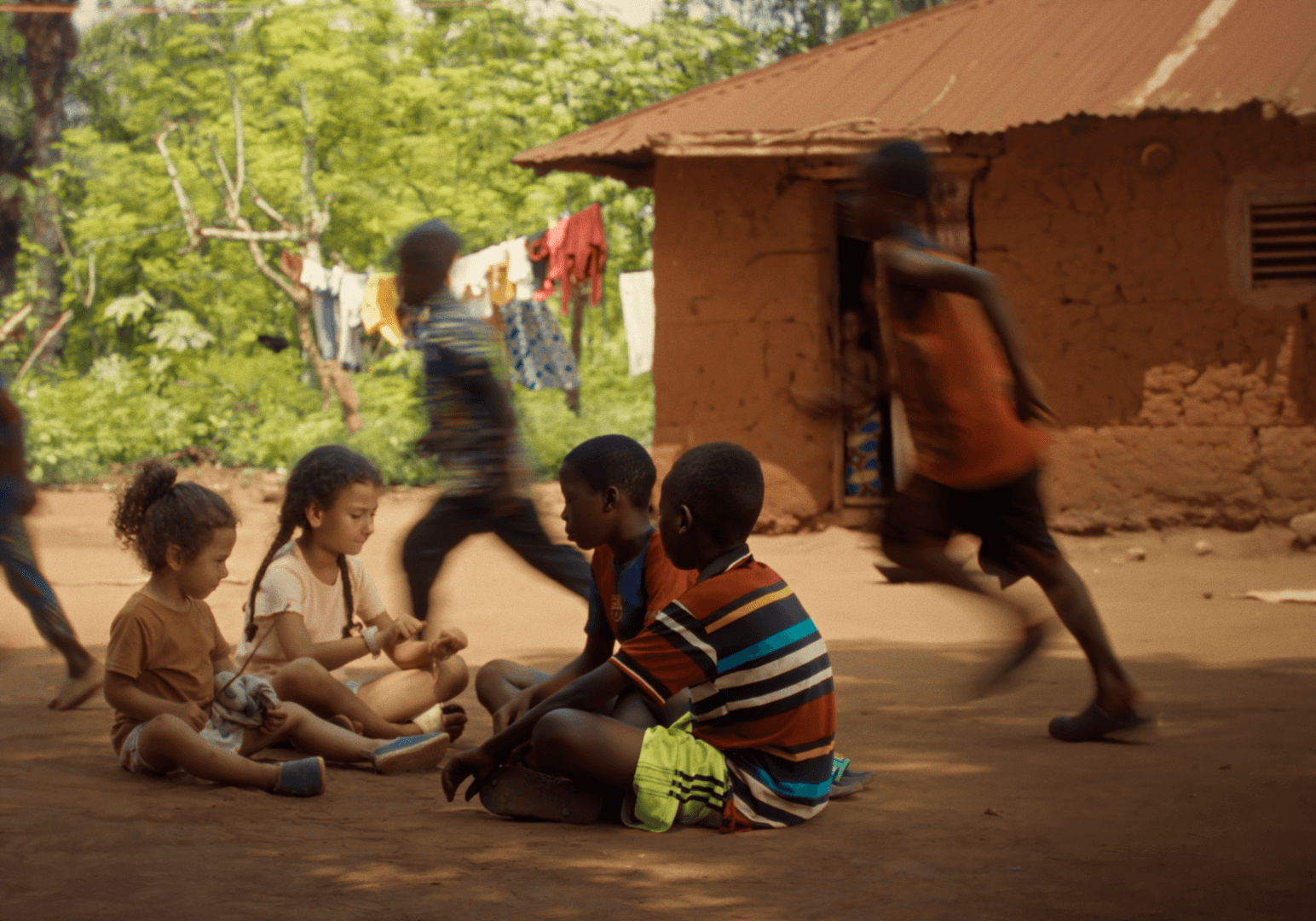
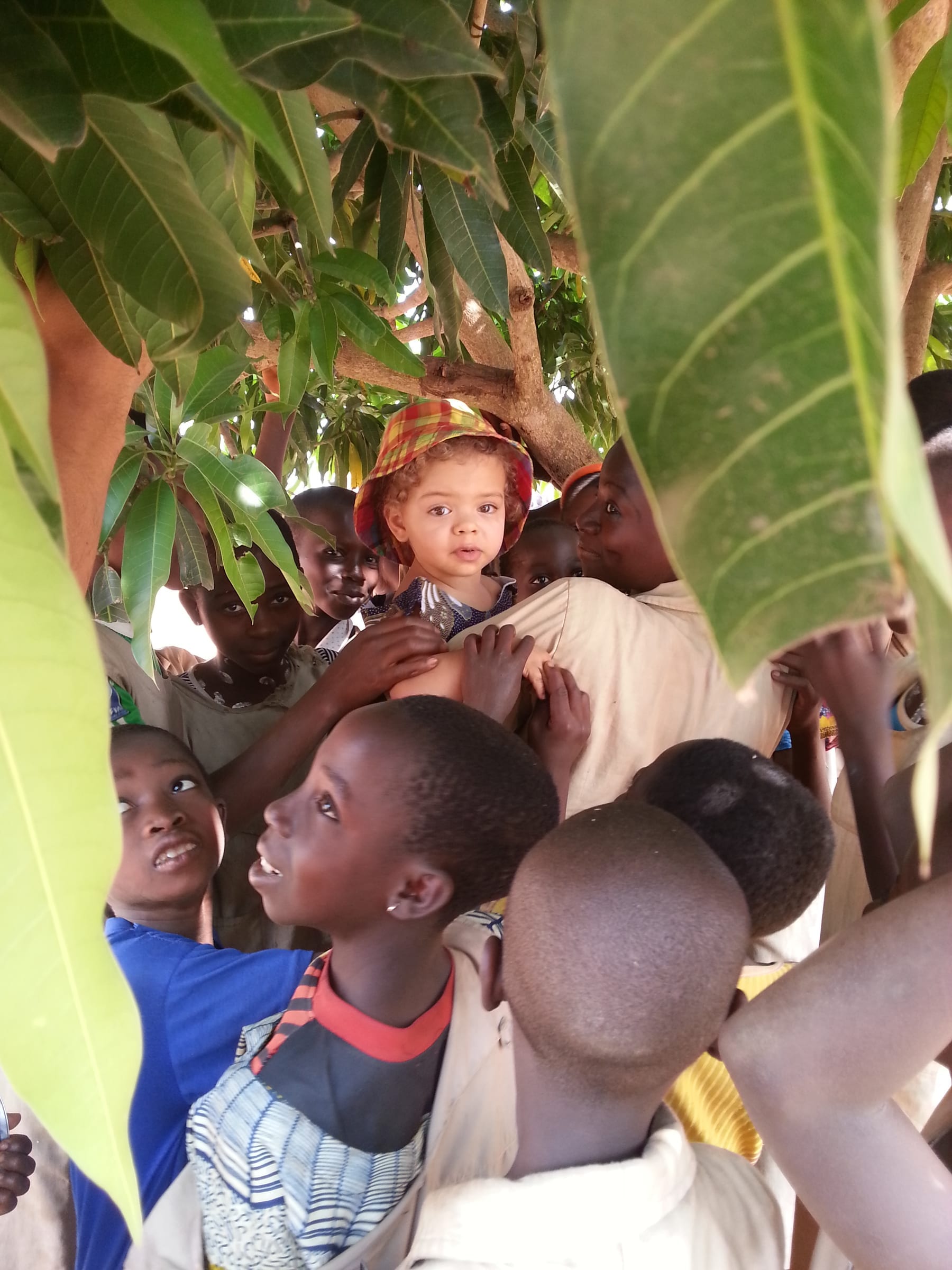
When you prepare your trip, the village is also preparing to welcome you. Your arrival is not a simple booking. It is an awaited moment. Families organise the welcome, meals are prepared, activities are set up, and everyone imagines how to share part of their daily life with you.
Some will prepare the places where you will be received. Others will think about the activities to live together. Children will be curious to see new faces arrive. In a village, receiving someone is a commitment.
On your side, the best preparation remains simple: come with respect, curiosity and a desire to meet people. Because here, the journey is not prepared alone. It is prepared on both sides.