
The village ofKakékanmé

Discover Xwévi’s home village: a concrete, lived place where hospitality, transmission and local development remain closely tied to daily life.

My dear village

Credits

Production company
Kerawa Studio
Director and editor
Shawn N. Hounkpatin
Assistant director
Azriel Talogbon
Executive producer
Cynthia Hégron
Sound engineer
Rocelin Houngbo
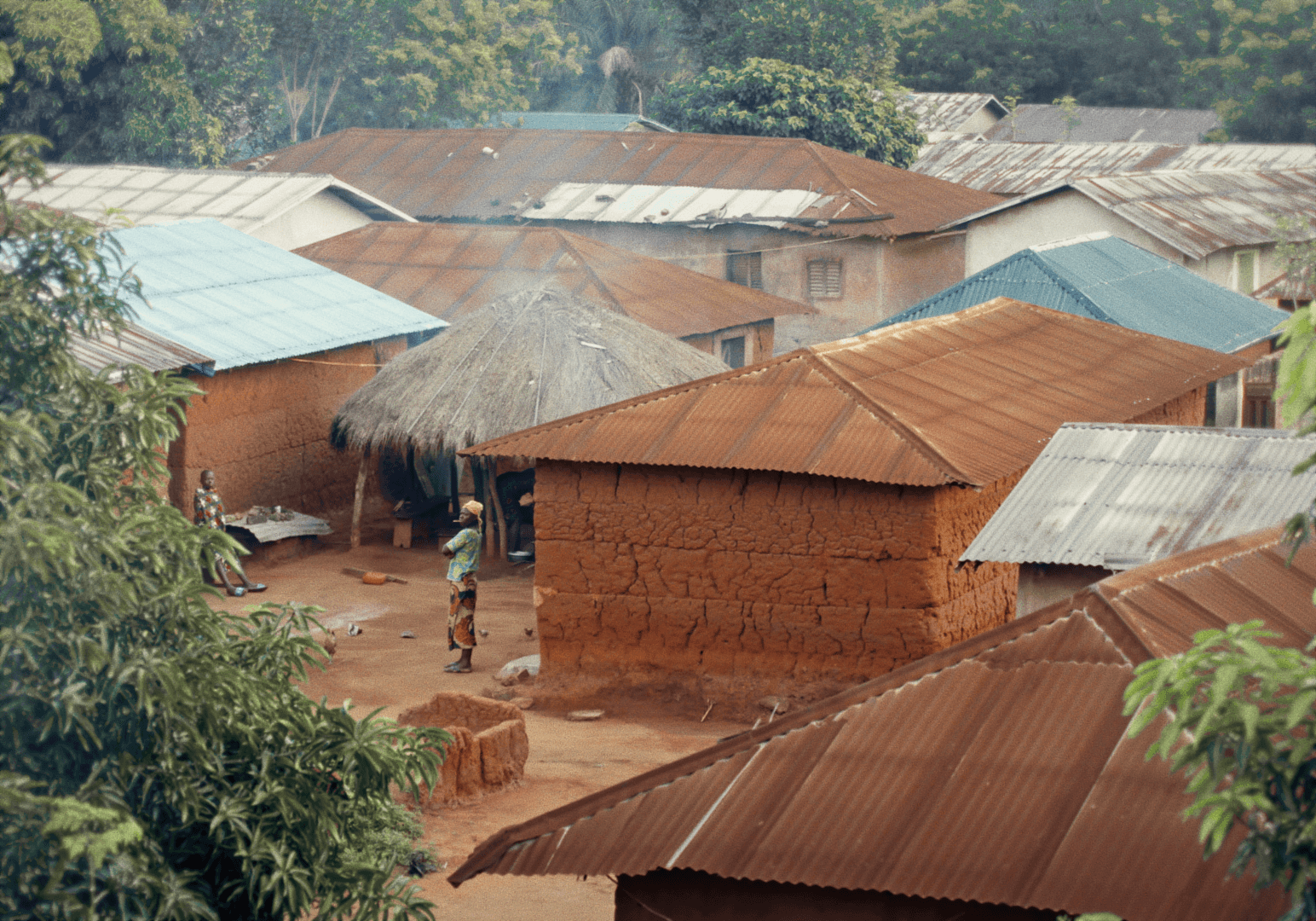
Vue du village de Kakékanmé

A place before all else

Kakékanmé is not a tourist destination.

It is a living village, with its own rhythm, habits, pauses and moments of intensity.

Here, nothing was built for show. You arrive in a place that already exists, with its work, its links and its balance.

That is precisely what changes the experience.

Location

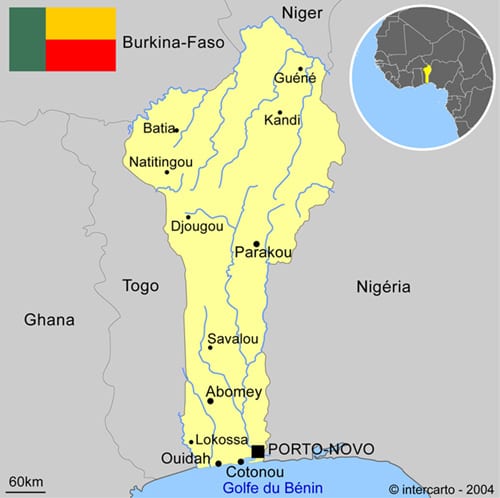
The village of Kakékanmé is located in the Zou department, in Benin.

  • About 2.5 to 3 hours by road from Cotonou, the economic capital
  • About 25 km from Abomey (around 30 minutes)
  • About 30 km from Bohicon (around 35 to 40 minutes)
  • Road access, with a final more rural stretch

Abomey and Bohicon are the nearest towns for key amenities, services, transport and practical needs.

Around Kakékanmé, several small village markets shape local life, where agricultural products, handicrafts and everyday goods circulate.

This relative distance makes real immersion possible while remaining connected to nearby centres of life.
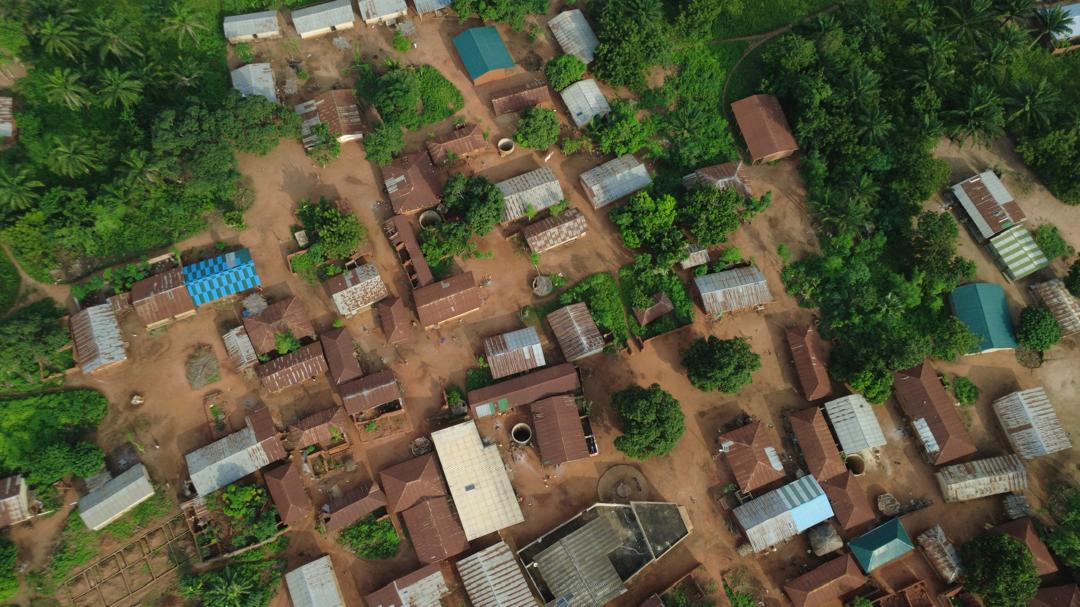
Vue du village de Kakékanmé
Carte du Bénin et localisation de Kakékanmé

The village today

Kakékanmé has 600 inhabitants, including 300 children.

Life here relies mainly on agriculture, livestock farming, red palm oil production, crafts and local trade.

The village keeps its own balance, with the school, fields, trades and family life shaping the rhythm of each day.

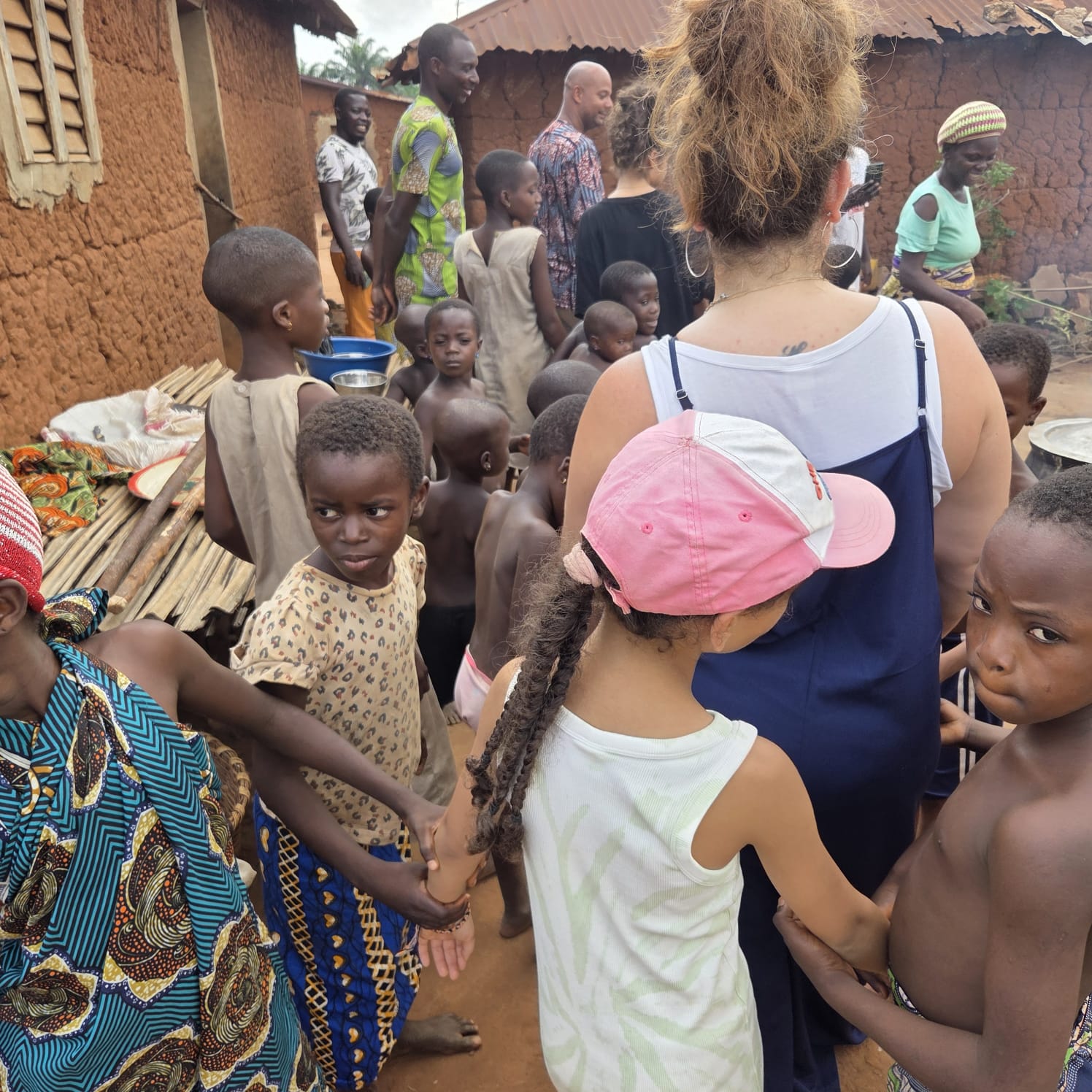
Vie actuelle dans le village de Kakékanmé

What you experience there

There is no standard programme.

Days follow the rhythm of the village.

In concrete terms, you may:

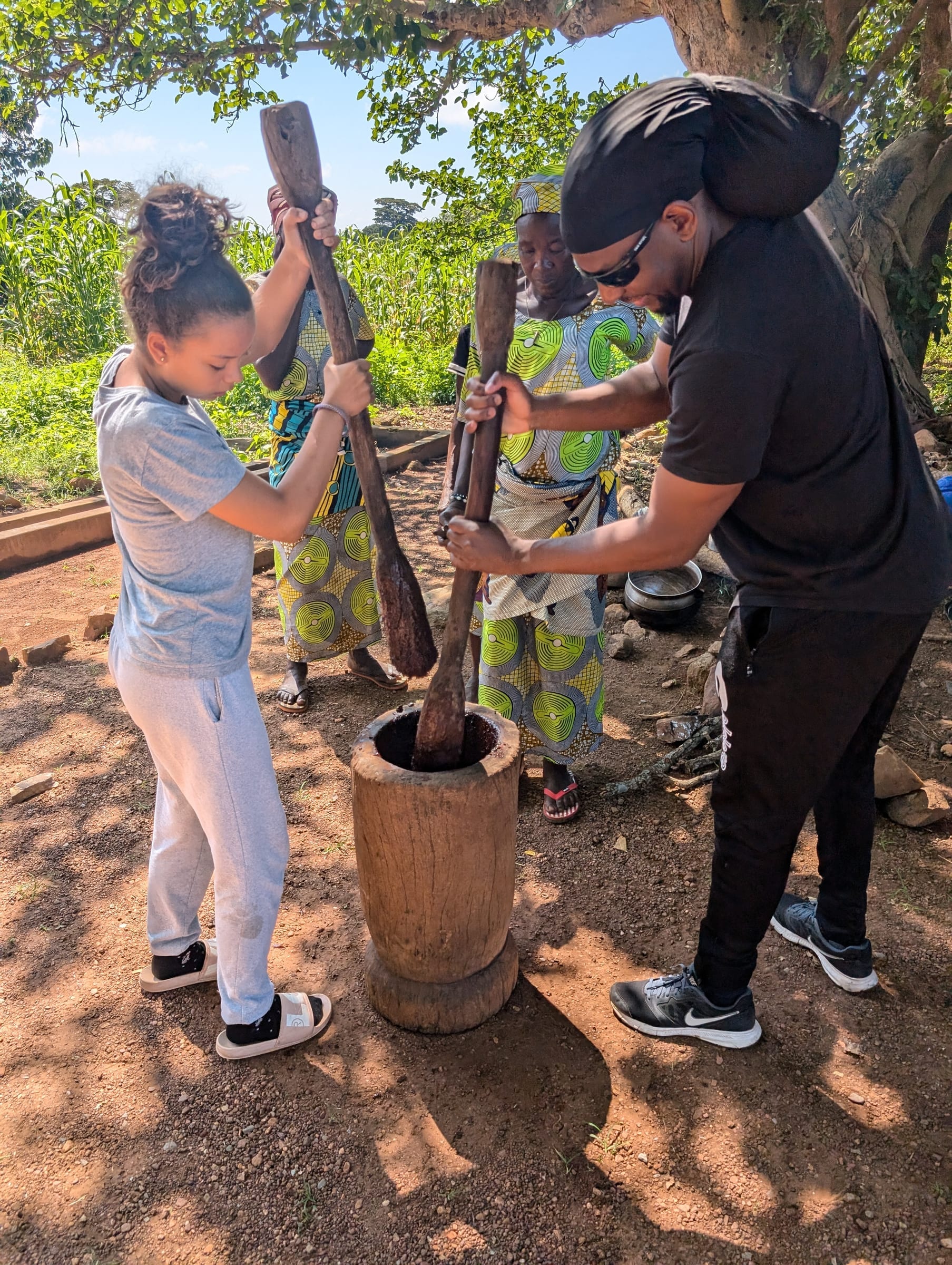
  • take part in meal preparation
  • discover everyday gestures and practices
  • join certain local activities
  • simply exchange with residents
  • take time to observe and understand
  • join a football match
  • be invited to a ceremony, a village celebration, and more

Depending on the moment, you may observe or exchange around school life, always with respect for the local setting.

Temps de vie partagée au village
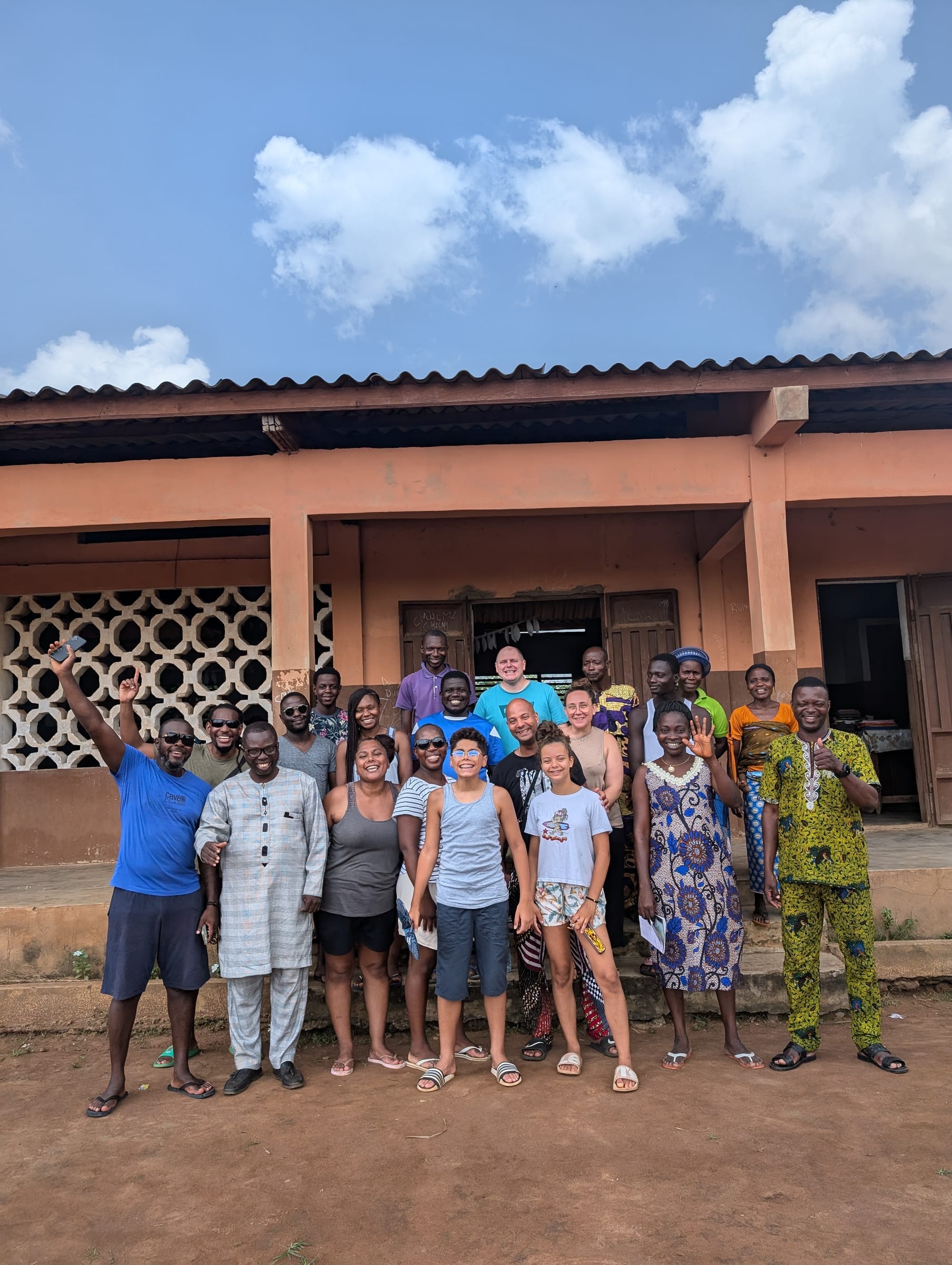
Vie scolaire et rencontres à Kakékanmé

Thedayisalreadythere.

Youheadtothefields.

Youcomeback.

Someonestopsby,andyoustayawhile.

Themealgetsready.

Thecourtyardbecomeslively.

Thenthecalmreturns.

Nothingisplanned.

Everythingfollows.

Youstoptryingtounderstand.

Youareinsideit.

Accommodation & conditions

You are welcomed within the village in simple but respectful conditions.

Accommodation is with residents or in dedicated spaces, as close as possible to village life. Meals are prepared on site with what is available, in the rhythm of everyday life. Comfort is adapted to the rural setting, in keeping with the place.

Everything is coherent with the place.

Group size

To preserve the village’s balance and the quality of exchanges, stays are limited to small groups (2 to 10 people maximum).

This makes it possible to:

  • more natural relationships
  • better integration
  • a fairer experience
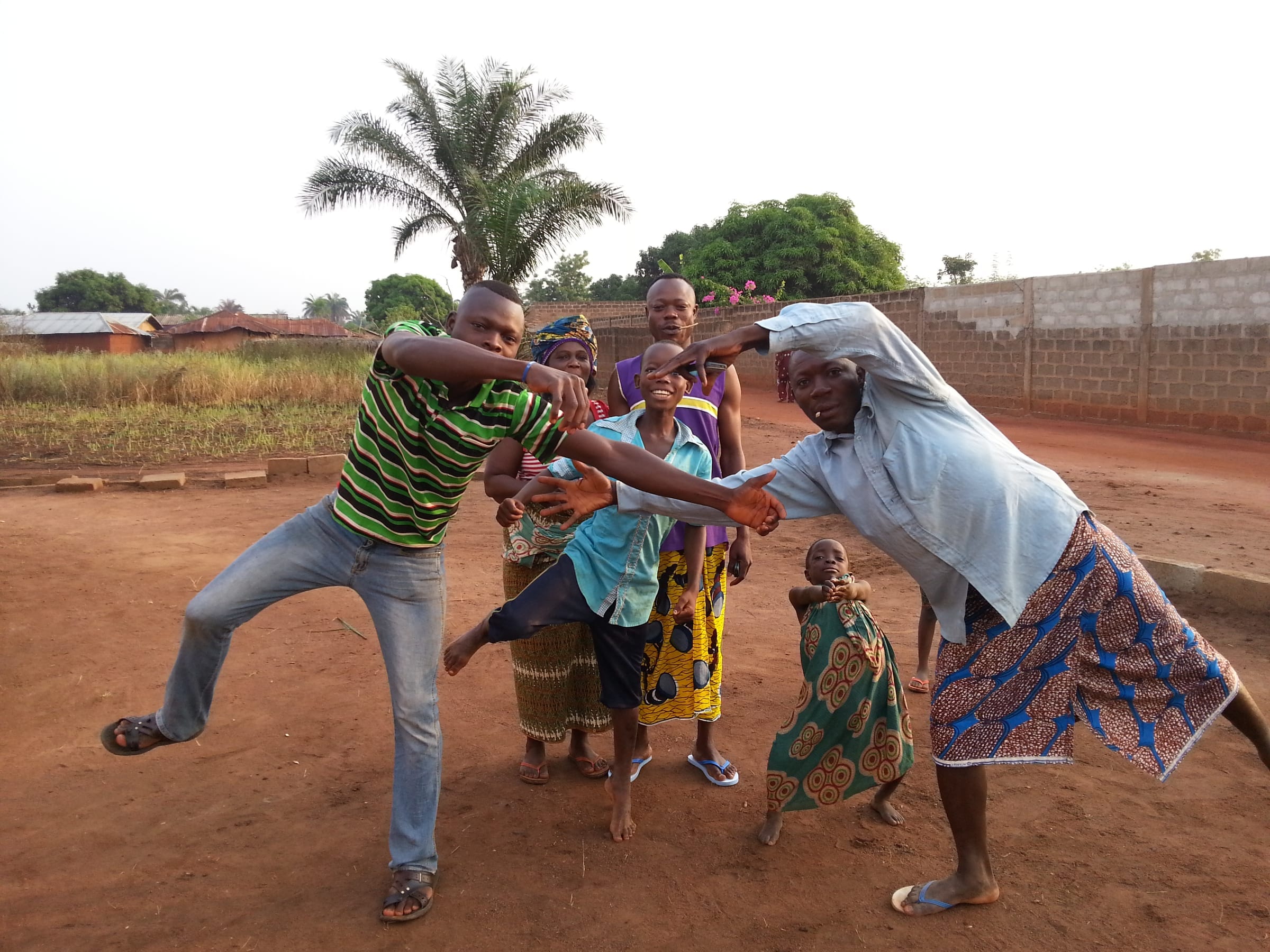
Organisation locale et moments partagés à Kakékanmé

A locally led organisation

The stays are co-designed with residents.

They take part in:

  • the welcome
  • the organisation
  • the activities
  • decisions linked to village projects

Nothing is imposed from outside.

The villagers speak about it better than we do:

Thank you to our visitors!

Our village has just experienced a beautiful moment of sharing thanks to the visit of travellers who came to discover our culture, our traditions and our hospitality.

Your smiles, your questions and your respect for our way of life touched us deeply. You leave with a piece of KAKEKANME in your heart, and you leave wonderful memories with us.

Thank you for choosing our village. The door remains wide open to you. See you again soon!

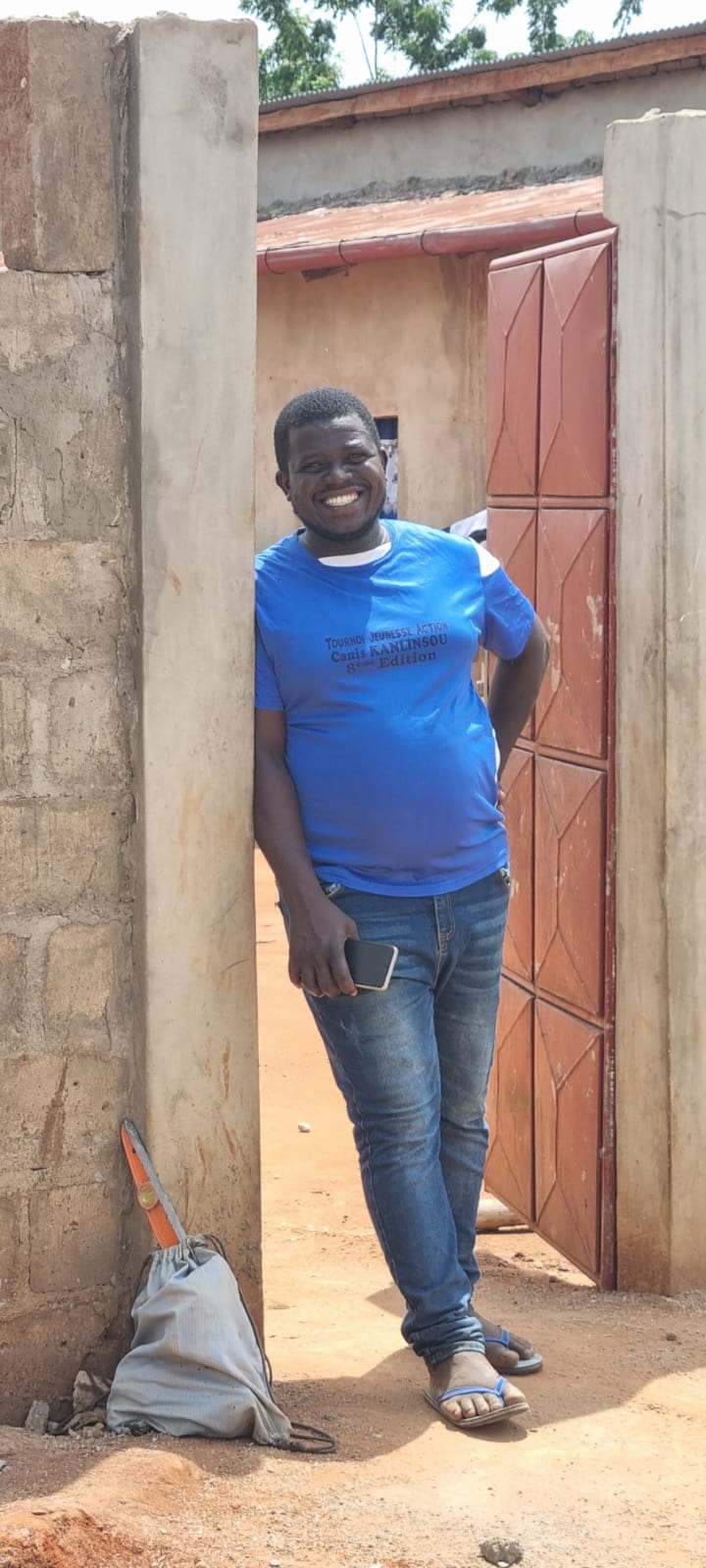
Canis

Canis à Kakékanmé

Conclusion

ComingtoKakékanméisnotabout“seeingavillage”.Itisabouttakingthetimetobethere.