
Vodun in Benin: a living spirituality beyond ceremonies

In Benin, a tree can be sacred. A forest can be protected for generations because it is believed to shelter a divinity. And when an important decision arises, some families still consult the Fa.

For a traveller, these practices raise many questions. What does vodun really represent? Why do ancestors hold such an important place? What do people seek from a bokonon? And how can a belief help preserve a forest or a mangrove?

To understand vodun, we need to look beyond images of major ceremonies and take the time to meet the people who carry these traditions forward.

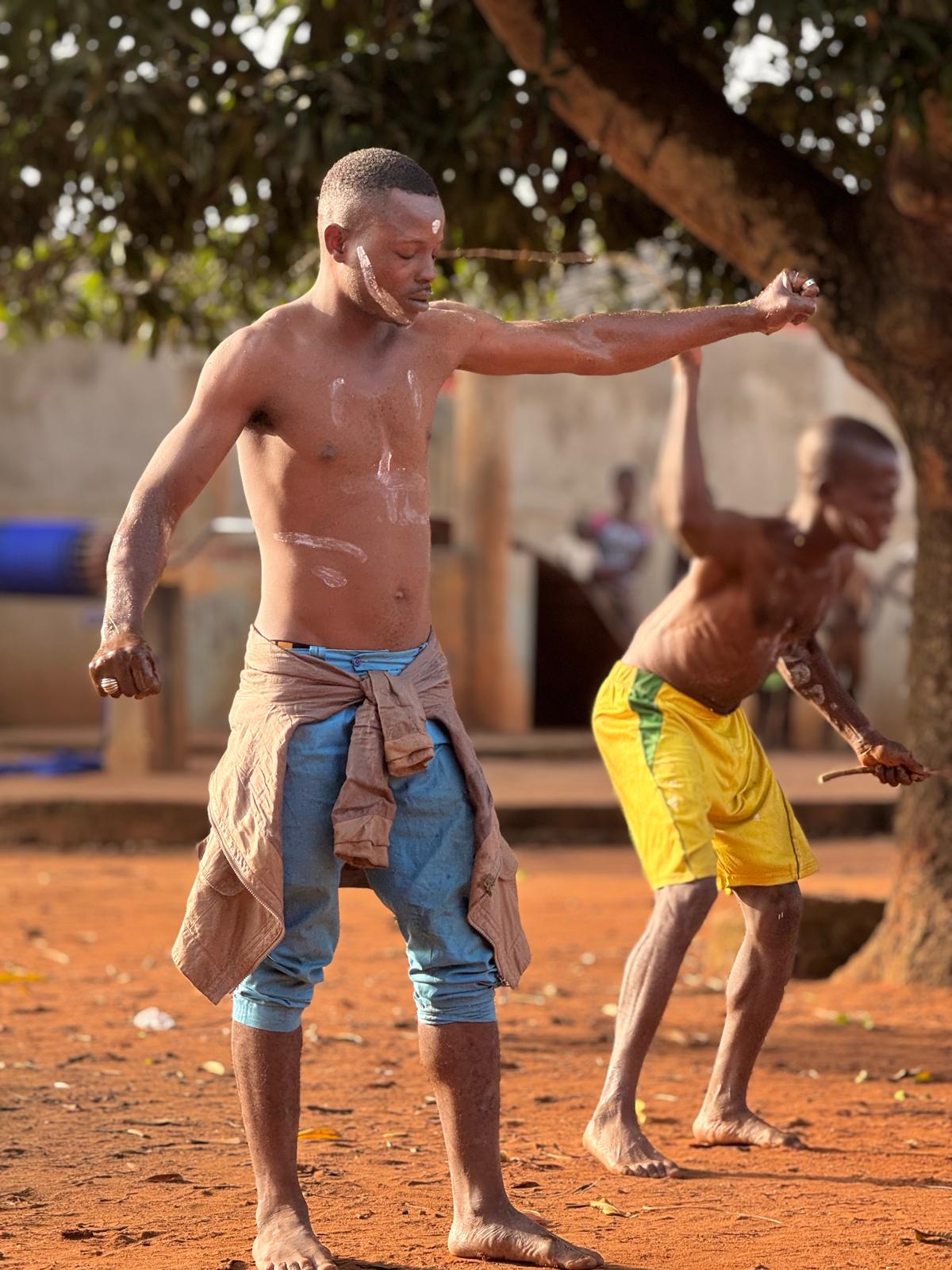
Two young people during a traditional ritual in Benin

Vodun, another way of seeing the world

Vodun is deeply rooted in the history of Benin and, more broadly, of West Africa. It rests in part on the existence of ties between the visible and invisible worlds, between the living, ancestors, divinities and forces of nature.

In this spirituality, natural elements are not always seen as simple resources. Some trees, waterways and forest spaces have a sacred dimension.

Practices vary between regions, families and communities. Vodun is not lived in the same way everywhere, and not all Beninese people practise it. It nevertheless continues to shape the country's culture, oral traditions, sites of memory and some of its collective rules of life.

It is also important to understand that vodun does not belong only to the past. It evolves with Beninese society, is passed on between generations and coexists with other religions.
When the sacred helps protect nature

In some Beninese communities, protecting a natural area is not based only on laws or administrative decisions. It can also be linked to beliefs and prohibitions handed down over a long time.

This is the case for some sacred forests, where customary rules limit access, tree cutting and other activities.

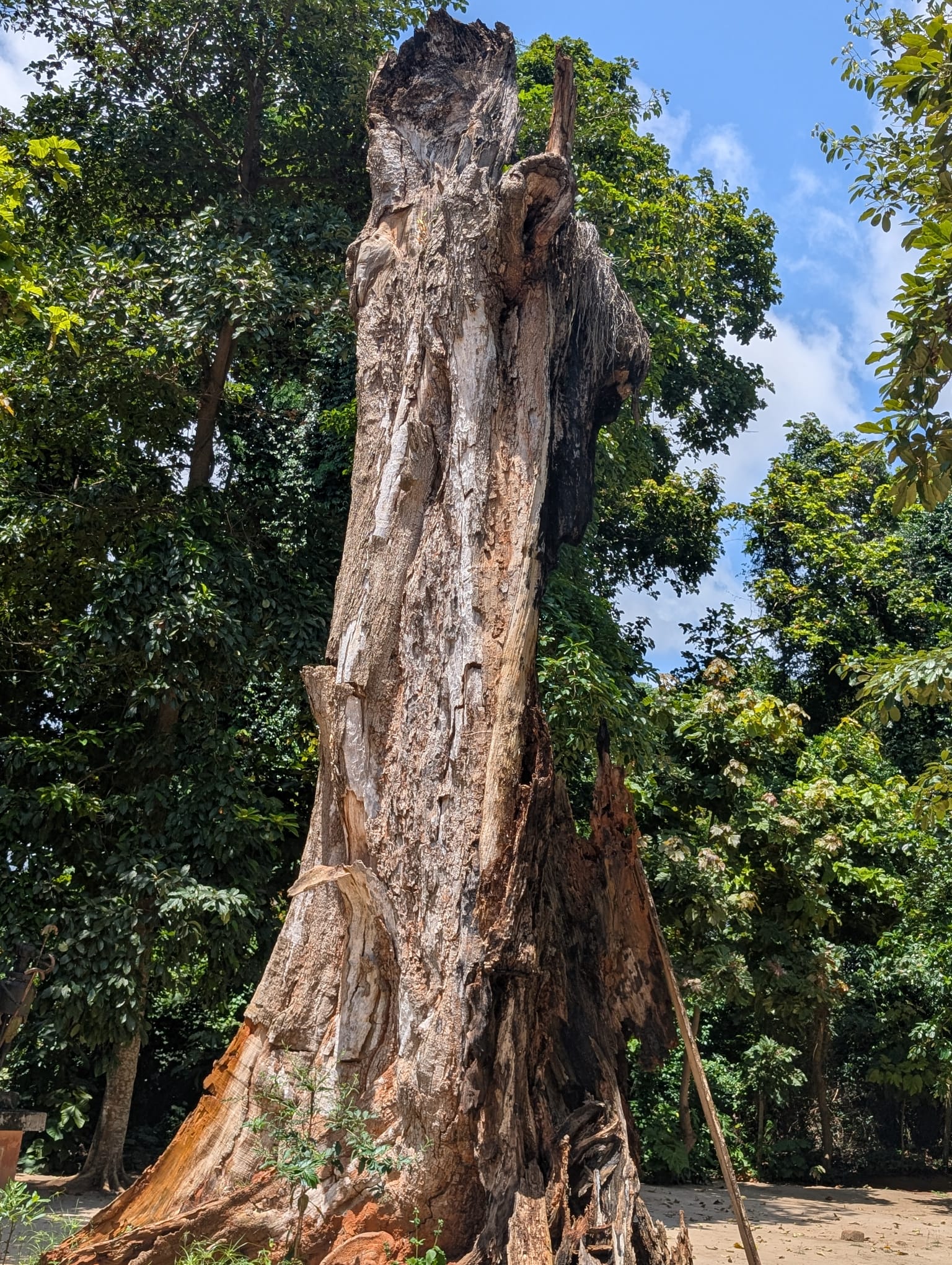
The trunk of a sacred tree in Benin

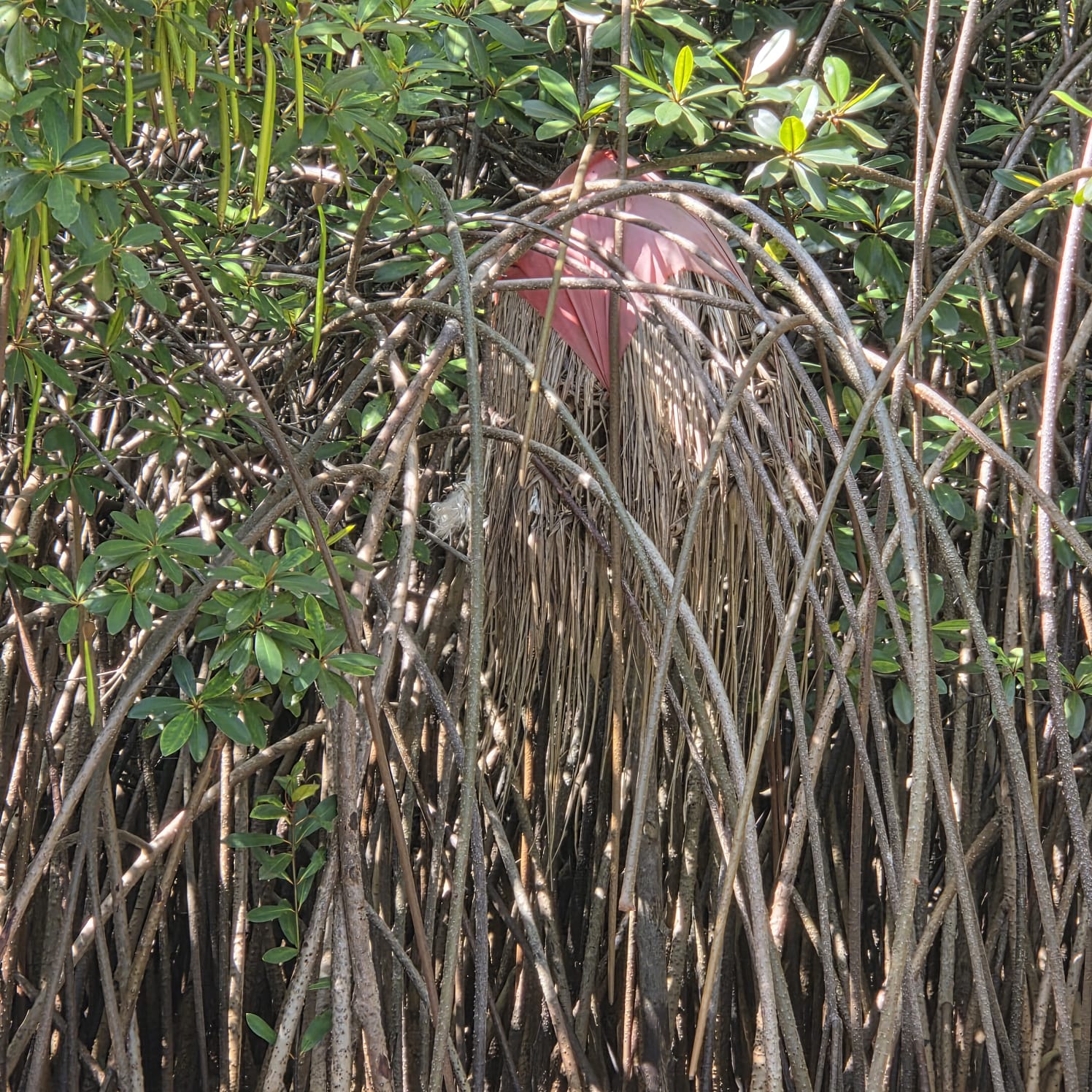
Around Lake Ahémé, traditions linked to Zangbéto, guardian of the night in the cultures of southern Benin, offer another insight into the role of traditional authorities in community life. Customary rules can help regulate behaviour and the use of natural resources, including in mangrove areas.

These practices do not replace modern conservation policies. But they show that protecting nature can also draw on a spiritual and social history.

Mangrove vegetation in Benin

For a traveller, this discovery changes the way a landscape is seen. A forest is no longer only a collection of trees. It can be a place of memory, belief and collective responsibility.

Meeting a bokonon: understanding the Fa

In Benin, there are people whom others turn to when an important question arises: a project, a family decision, a personal difficulty or simply the need to understand a situation better. Among them, the bokonon holds a particular place.

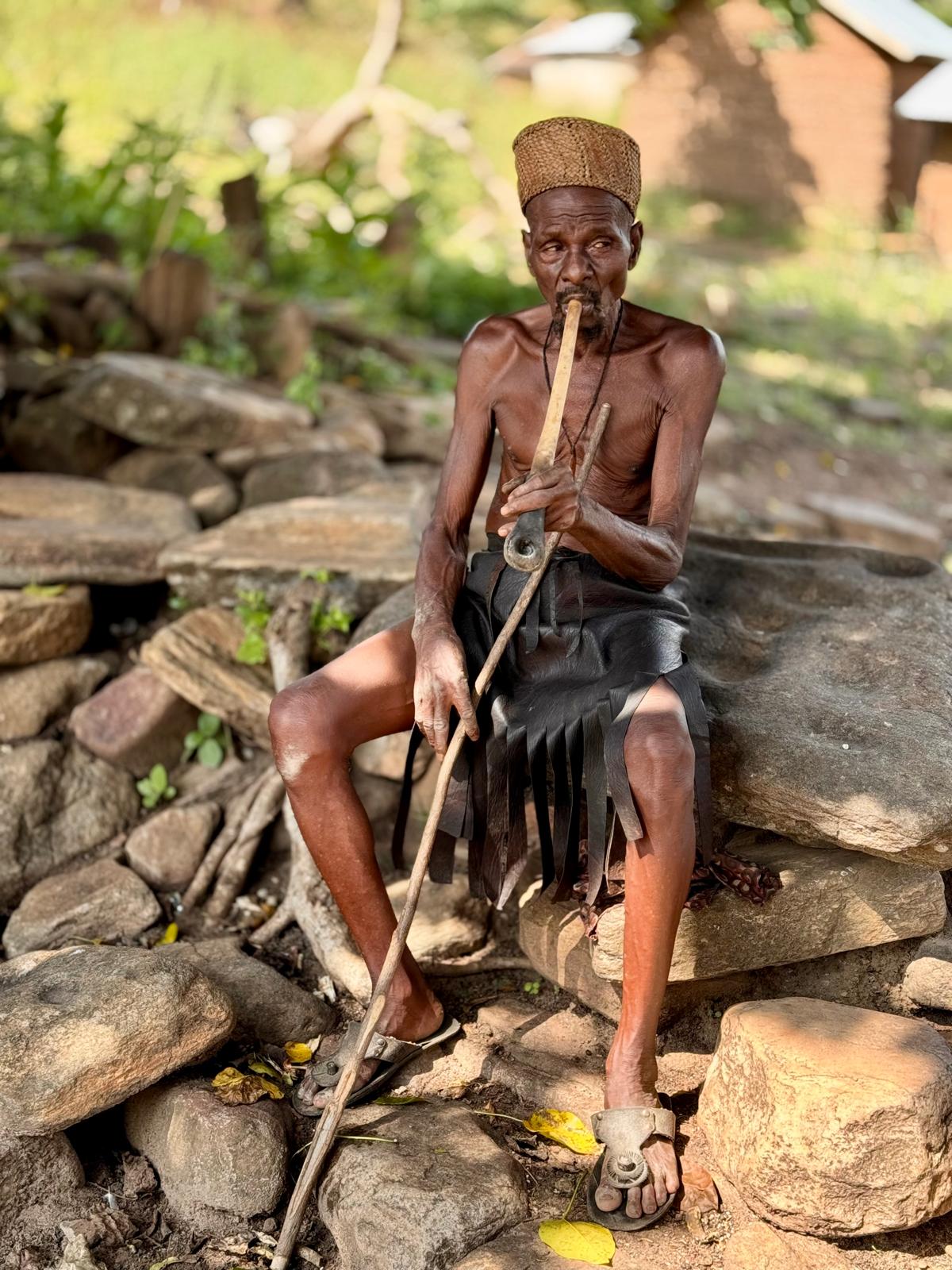
An elder smoking a pipe in Benin

He is a specialist in the Fa, a traditional system of divination based on signs, stories and knowledge passed down through long learning.

The bokonon interprets the signs obtained during a consultation and relates them to the question being asked. For those who consult him, the Fa may offer advice, guidance or warnings.

What makes this tradition especially interesting to discover is also the richness of the stories that accompany it. Each sign refers to a body of teachings, human situations and cultural references. The Fa is therefore a heritage of knowledge that goes beyond divination itself.

An encounter unlike any guided visit

In Kakèkanmè, Xwévi can organise a meeting with a bokonon. Imagine sitting opposite him in a setting familiar to him, away from large tourist events.

You can ask how he became a bokonon, from whom he received his knowledge, why some families come to consult him or what place the Fa has in Beninese society today.

He may explain the instruments he uses, the meaning of some signs and how a consultation unfolds. Depending on the circumstances and with his agreement, you may also attend a demonstration or discover a Fa practice.

This encounter requires no religious adherence. It offers the opportunity to listen to someone speak about knowledge they know intimately, to ask questions and to discover a tradition often misunderstood outside Benin.

Some practices or knowledge are not meant to be shared publicly. The bokonon naturally decides what he wishes to transmit. This is also part of meeting another culture: accepting that it does not fully reveal itself to the visitor.

Vodun is more than the Vodun Days

Each year, Ouidah hosts major celebrations dedicated to vodun. The Vodun Days allow the public to discover religious, artistic and cultural expressions through ceremonies, dances, music and meetings.

These events play an important role in the visibility of Beninese heritage. But vodun neither begins nor ends with these celebrations. It also exists in more discreet places: in family life, Fa consultations, oral traditions and everyday religious practices.

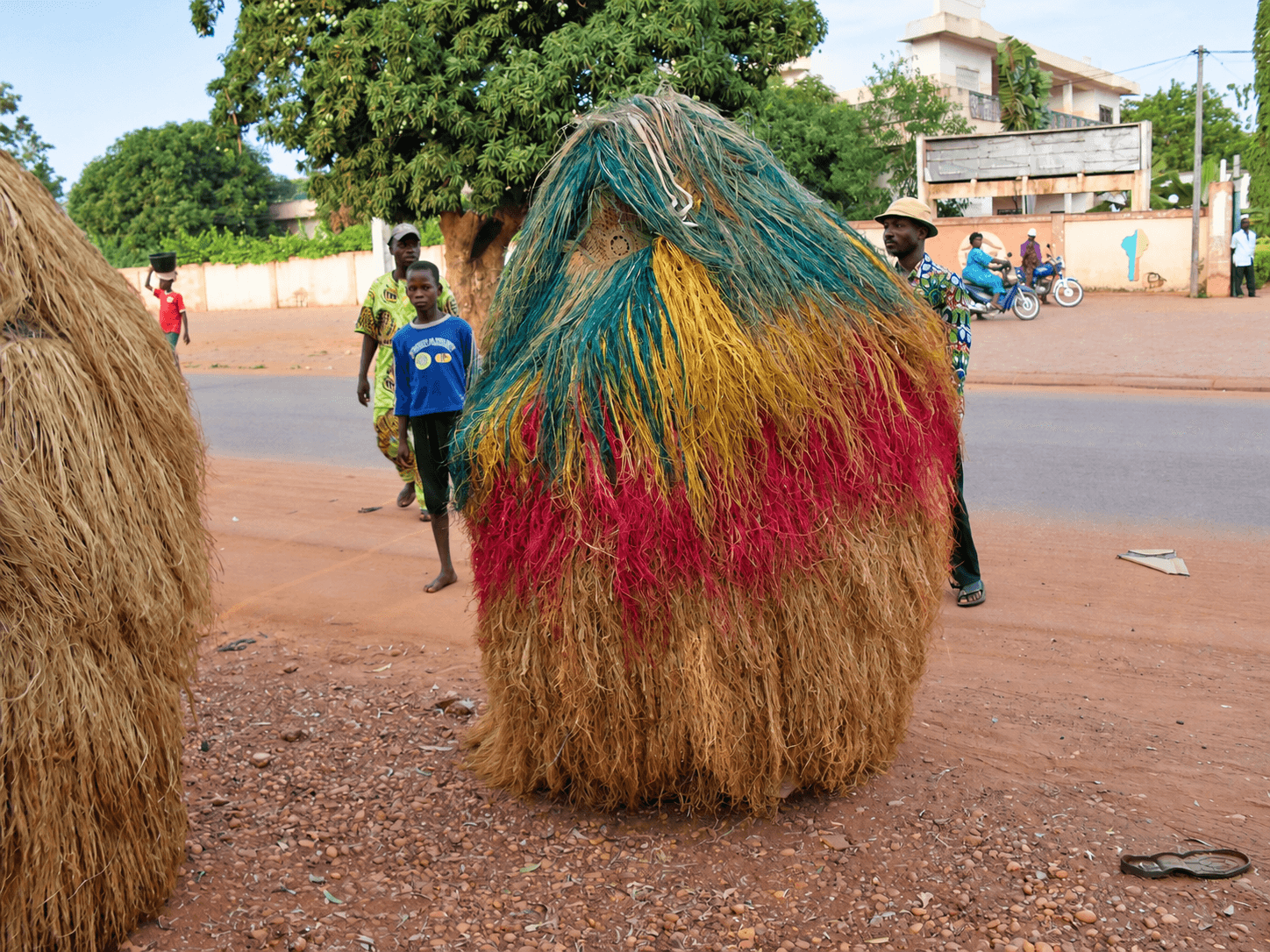
A colourful Zangbéto figure in Benin

Discovering vodun therefore does not necessarily mean attending a ceremony. It can begin with a conversation with a practitioner, an authorised visit to a sacred place or an explanation of a local custom.

These exchanges sometimes offer more keys to understanding than a succession of events whose meaning is not known.

Travel in Benin with curiosity and respect

Some traditions are open to the public. Others belong to the religious life of communities and are not accessible to visitors. Photography may be prohibited, some spaces may be reserved for initiates and some questions may not receive an answer.

These limits do not reduce the value of discovery. They simply remind us that vodun is a living religion, not an attraction designed for travellers.

At Xwévi, we favour encounters prepared with the people concerned, with respect for their practices and availability. Local support helps visitors understand customs, ask questions tactfully and place what they discover in its context.

You can take an interest in vodun without practising it, without trying to explain everything and without judging the beliefs of the person you meet.

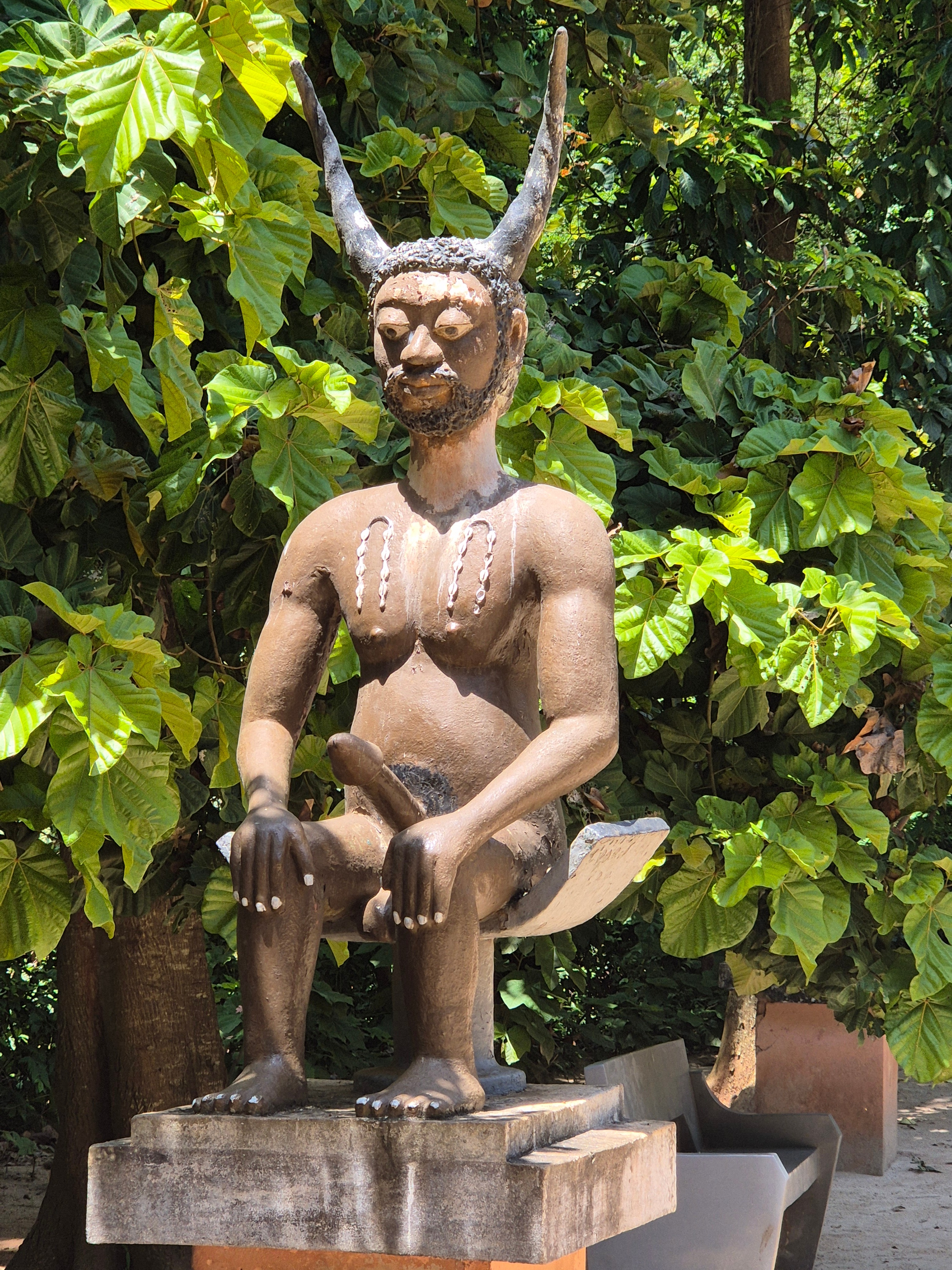
A vodun statue surrounded by vegetation in Benin

Discovering vodun with Xwévi

Benin's spiritual heritage can have a place in different Xwévi stays. With Racines, immersion in Kakèkanmè makes time for encounters and, where possible, a conversation with a bokonon.

With Horizons, discovery can extend to Ouidah, sites of memory and the traditions that have shaped the history of southern Benin.

With Chemins, we can build a tailor-made itinerary around cultural and spiritual heritage, bringing together several encounters and territories.

In every case, we favour understanding practices over the search for spectacular sensations.

What if travel began with a question?

You do not necessarily return from a meeting with a bokonon sharing his beliefs. But you may return with a better understanding of the place of ancestors, the transmission of knowledge and the links that unite some communities with their environment.

You also discover that behind a word as familiar as "vodun" lie stories, knowledge and practices far more diverse than the images often associated with it.

In Benin, there is still much to learn from people who take the time to tell these stories.

Frequently asked questions about vodun in Benin

What is vodun?

Vodun is a traditional West African religion, particularly present in Benin and Togo. It is based in part on relationships between divinities, ancestors, human beings and natural forces. Its practices vary between communities.

What is the difference between vodun and voodoo?

The word "voodoo" is a French-influenced form of "vodun", a term from the languages of southern Benin, particularly Fon. The spellings "vodoun" and "vodún" are also found. These forms share the same linguistic origin. In Benin, "vodun" is now the preferred spelling for this religious tradition. The term also crossed the Atlantic with the slave trade. In Haiti, "vodou" developed in contact with other African traditions and Christianity, becoming a religion with its own history.

What is the Fa?

The Fa is a traditional system of divination and knowledge transmission. It is based on the interpretation of signs linked to stories and teachings.

Who is a bokonon?

A bokonon is a specialist in the Fa. He has completed an apprenticeship that enables him to practise divination and interpret signs within this tradition.

Can I meet a bokonon during a trip to Benin?

Yes. Xwévi can organise a meeting in Kakèkanmè, subject to the practitioner's agreement and availability. What is discussed depends on what he accepts to share.

Can I discover vodun without attending a ceremony?

Yes. Discovery can happen through a meeting, a conversation, an authorised visit to a sacred place or an explanation of local traditions. Ceremonies are only one part of vodun religious life.

When is the best time to discover vodun in Benin?

Benin's spiritual heritage can be discovered throughout the year. Major public celebrations have their own dates, but meetings and some visits can be arranged at other times, depending on local availability and rules.